How Much Does Professional Permanent Lighting Installation Cost in Buffalo, Niagara, and Genesee? What Affects the Quote
You’re not just buying lights—you’re buying a system that should last for years
If you’re looking at permanent lighting installation in Buffalo, Niagara, or Genesee, you’re probably asking one big question:
Why do quotes for permanent lighting vary so much—and what am I really paying for?
With permanent systems, you’re not paying for a holiday or a single season. You’re investing in year‑round lighting that can handle Western NY weather, highlight your home’s architecture, and flex between everyday elegance and celebration.
To keep it simple, we use a model we call the PERMA Framework when we talk about cost: Placement, Engineering, Range of effects, Materials, and Access & installation. It’s how we explain what truly affects your quote and where your money actually goes.
At Hearth and Halo, we’ve learned that when we walk you through these elements early, it takes the stress and confusion out of the decision—and helps you avoid “cheap now, expensive later” choices.
Key Takeaways
- Permanent lighting cost in Western NY is driven more by design, controls, and installation complexity than by the number of feet alone.
- You’re paying for a system engineered to live in your home for years: commercial‑grade fixtures, smart controls, and solid wiring—not seasonal strings.
- Roofline shape, number of stories, and access (including when a lift may be required) can change your quote significantly.
- RGBW or color‑changing systems, multiple zones, and advanced app control add flexibility—and increase both hardware and programming costs.
- The right partner focuses on longevity, safety, and a design that looks good in every season, not just one holiday.
What You’ll Learn
- How the cost of permanent lighting installation in Buffalo, Niagara, and Genesee is shaped by architecture, layout, and control choices.
- The trade‑offs between simple white roofline systems, full RGBW color systems, and hybrid approaches.
- Why high‑quality, low‑profile fixtures, durable wiring, and robust mounting are non‑negotiable for Western NY weather.
- How design decisions (which lines to highlight, how many zones, what you light beyond the roofline) affect your investment.
- The most common pitfalls are when homeowners choose based on price alone.
- How our PERMA Framework creates a clear, long‑term plan rather than a quick install you outgrow.
Main Content
Big Picture
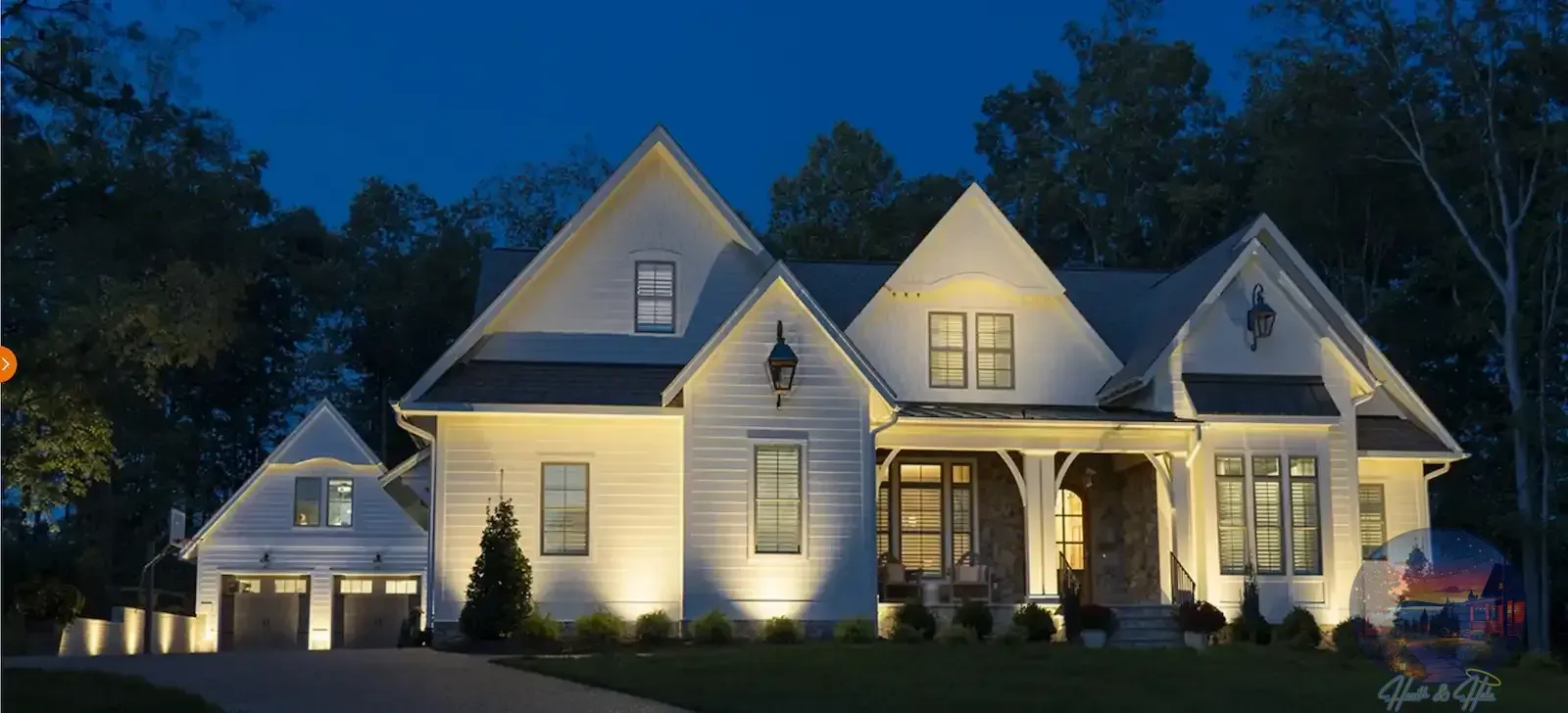
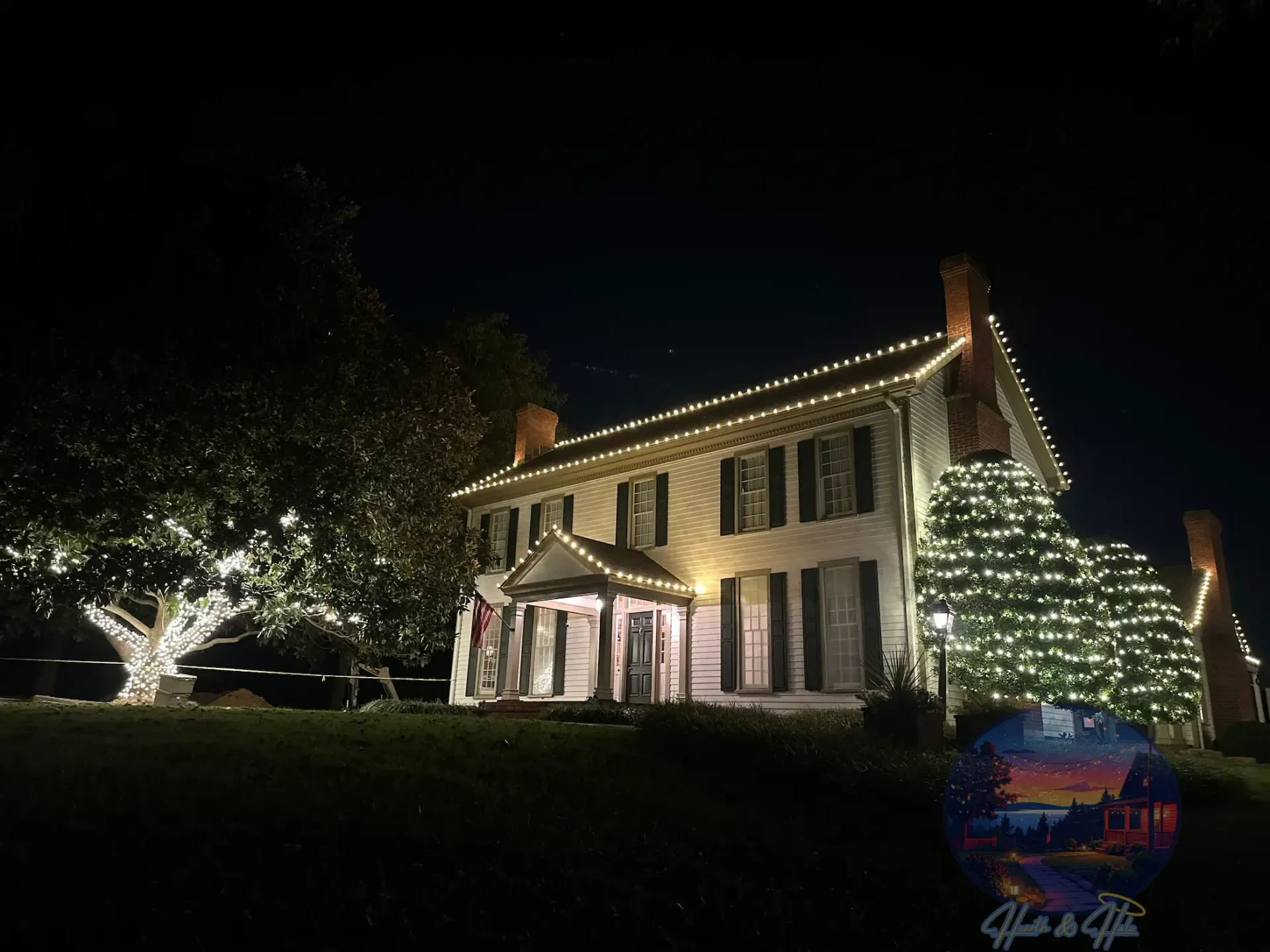
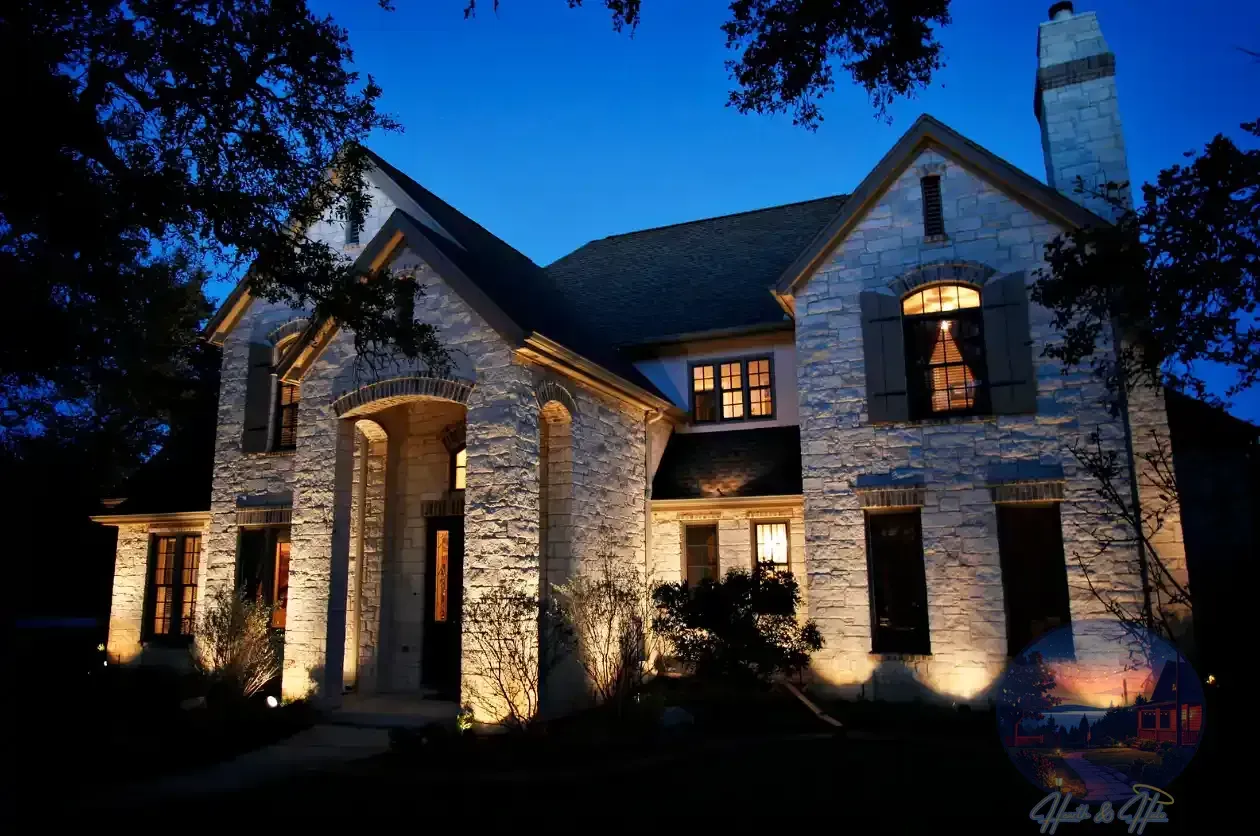
Permanent lighting is exactly what it sounds like: a fixed lighting system installed on your home or property that stays up all year and can shift between different looks—clean white for everyday, color for holidays, and different patterns for events.
In Buffalo, Niagara, and Genesee, we see homeowners choosing permanent systems because they’re tired of the annual cycle: hire a holiday installer, take everything down, store it, and repeat. Permanent lighting replaces that churn with a customizable, low‑profile system you can use every month of the year.
One family we worked with had been doing traditional holiday installs for years. They loved the look but hated the yearly coordination, the weather worries, and the storage. When we installed a permanent RGBW roofline system with multiple zones, they suddenly had options for every holiday and event—subtle warm white most nights, team colors on game day, and fun animated patterns in December. Their upfront cost was higher than another season or two of temporary installs, but over time, the system paid them back in convenience, flexibility, and fewer service calls.
Key Decision Factors You Should Weigh
Before you choose a permanent lighting system or compare quotes, it helps to be clear on a few core decisions.
1) Where You Want Permanent Lighting (Placement)
Are you only lighting the roofline, or also peaks, ridges, soffits, or key architectural details?
- More linear footage and more complex shapes (dormers, “gingerbread” trim, multiple peaks) increase material and labor.
- Deciding whether to include additional layers—like select trees, railings, or accents—can move you from a basic to a more comprehensive system.
2) Color and Effects: White‑Only vs RGBW (Range of Effects)
Permanent systems come in different capability levels:
- Warm‑white only: classic, elegant, lower cost, fewer components.
- RGBW color‑changing: higher up‑front cost, but can do white plus any color for holidays, seasons, and events.
- More advanced systems often support patterns, chasing effects, and pre‑built “scenes,” which require better controllers and more setup time.
3) Controls and Zones (Engineering & Experience)
How you control the system matters almost as much as how it looks.
- App‑based control, scheduling, and different zones (front roofline, gables, maybe a separate backyard area) add convenience—and complexity.
- More zones and more sophisticated control boxes mean higher costs for hardware and programming, but they massively improve day‑to‑day use.
4) Materials and Weather Resilience (Materials)
Western NY is hard on anything that lives outdoors.
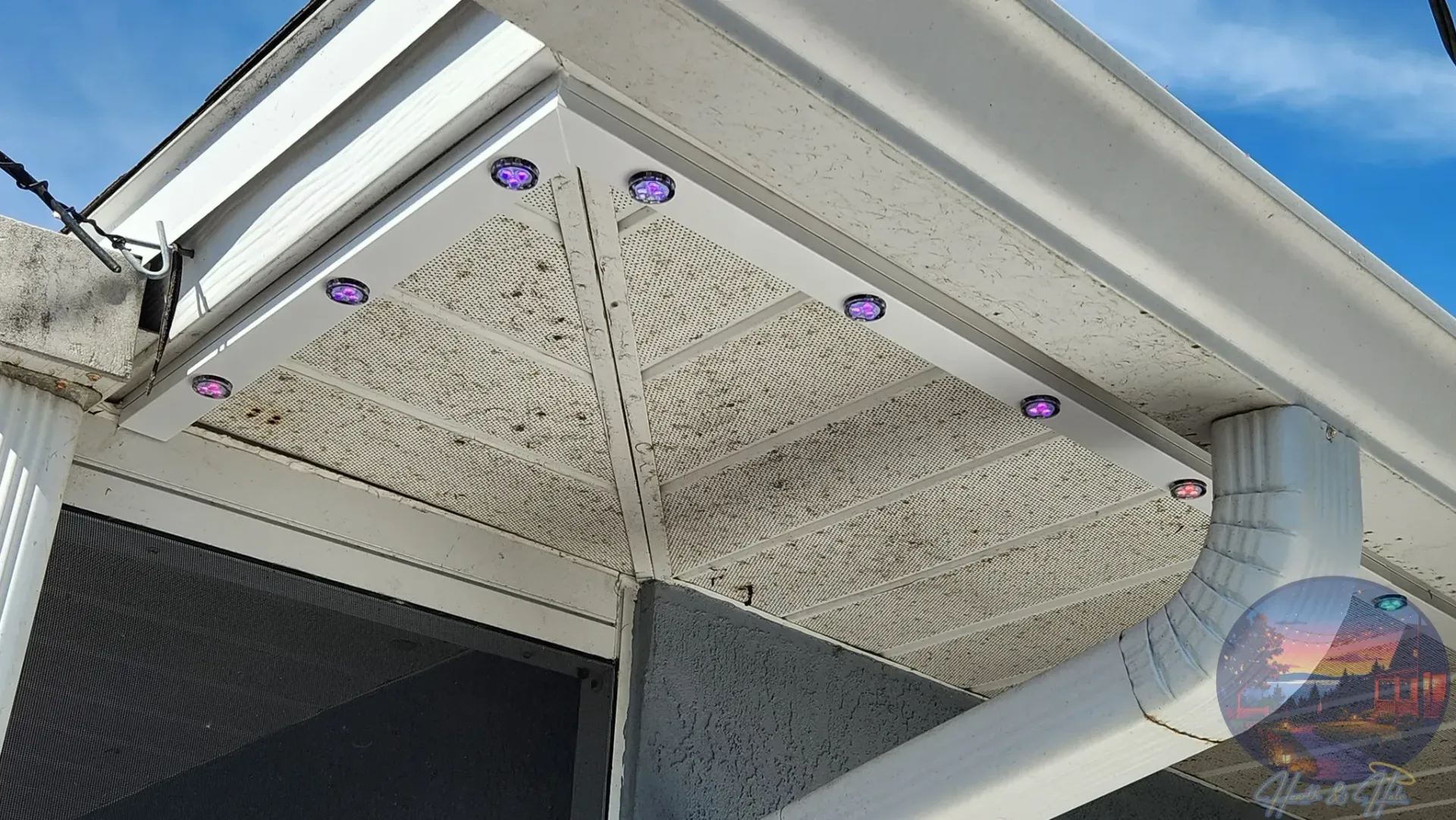
- Permanent fixtures should be commercial‑grade, low‑profile, and designed to shed water and snow.
- Wiring and connections should be built to last, not just survive a single season.
Cutting corners on materials can lead to early failures and costly service visits.
5) Height, Roof Pitch, and Access (Access & Installation)
A straight, single‑story roofline is very different from a tall, steep, multi‑peak home.
- Complex roofs take more time for safe installation, more planning for cable routing, and sometimes require lift equipment beyond standard ladders.
- Access challenges are a big reason two homes with similar square footage can have very different quotes.
6) Long‑Term Horizon and ROI
Because permanent lighting is a multi‑year decision, your time horizon matters.
- If you plan to be in your home for several years, investing in better materials and more versatile controls makes sense.
- If you see permanent lighting as a short‑term experiment, you might lean toward a simpler configuration while still insisting on safe, professional installation.
At Hearth and Halo, we walk through each of these factors with you so the quote you get matches how you actually want to use your system—not just what looks cheapest on paper.
Options Compared
Here’s a simple way to think about your main options for permanent lighting.
| Option Type | Best For | Key Advantages | Main Trade-Offs / Risks |
|---|---|---|---|
| White‑Only Roofline System | Homeowners who want a clean, classic look | Lower cost; elegant everyday appearance; simpler control | No color for holidays; limited effects |
| Full RGBW Roofline System | Those who want colors for holidays & events | Any color plus warm white; patterns and scenes possible | Higher hardware cost; more complex controller setup |
| Expanded RGBW with Additional Accents | Homeowners wanting a signature, year‑round look | Roofline plus key peaks/architectural highlights; most flexible | Highest investment; more planning and potential zones |
For many homes, a full RGBW roofline system is the sweet spot: you get everyday warm white plus the ability to shift into color and patterns without re‑installing anything. If your home has standout architecture—multiple peaks, detailed trim, or a strong street presence—an expanded RGBW system with selected accents can turn your house into a true landmark in the neighborhood.
Risks, Pitfalls, And Red Flags
Permanent lighting is one area where cutting corners often backfires.
Common pitfalls include:
- Choosing a system on price alone, without understanding whether the fixtures and wiring are truly designed for long‑term exterior use in our climate.
- Under‑estimating how important controls and zones are, and ending up with a system that’s frustrating to use or too limited for your real needs.
- Overlooking access and roof complexity during quoting, leading to surprise add‑ons when installers realize a lift or additional safety measures are required.
- Working with providers who treat permanent lighting like seasonal installs, without a long‑term plan for maintenance and support.
We’ve met homeowners who went with a budget permanent option, only to find sections dimming or failing after a couple of harsh winters. There wasn’t a clear service plan, and the original installer was hard to reach. When they came to us, they were less concerned with saving money and more focused on getting a robust system with a clear maintenance path. The second install costs more, but it replaced an ongoing headache with something they can trust for years.
Permanent lighting should reduce your stress, not add to it. If the proposal you’re looking at doesn’t talk about materials, controls, and long‑term support, that’s a red flag.
Our High‑Level Approach At Hearth and Halo
We use the PERMA Framework to guide every permanent lighting project:
1) Placement Planning
We start by walking your property—virtually or in person—to understand which lines and features should be highlighted. Roofline, peaks, ridges, and soffits are all on the table, and we look at how your home sits on the street to decide what will actually be seen and appreciated.
2) Engineering & Layout
Next, we plan the wiring, power, and control layout. We consider:
- How many zones make sense for daily use
- Where control components should go
- How to route cable cleanly and safely
This step is about building a system that’s efficient, reliable, and ready for Western NY winters.
3) Range of Effects Selection
Together, we decide whether a white‑only or full RGBW system fits your goals. We talk through:
- How often will you use color
- Which holidays and events matter most
- What kind of scenes or effects will you actually enjoy
Our goal is to give you the right amount of flexibility without unnecessary complexity.
4) Materials and Mounting
We specify commercial‑grade fixtures and hardware designed to stay in place year‑round. The focus here is on low‑profile installations that respect your home’s appearance in daylight while still delivering strong, vibrant lighting after dark.
5) Access, Installation, and Safety
Finally, we plan the on‑site work. That includes:
- Factoring in roof height and pitch
- Using appropriate ladders and, when justified, lift equipment
- Scheduling installation around weather windows where possible
This is where we protect your safety and your home, while making sure the finished system looks intentional and precise.
Decision Checklist For You
Use this checklist as you think through permanent lighting for your home:
- I’m clear on which areas I want permanently lit (roofline only vs roofline plus accents).
- I’ve thought about whether I want white‑only or full RGBW color capabilities.
- I understand that controls and zones will affect both cost and daily convenience.
- I know my home’s height and roof complexity will influence installation effort and safety needs.
- I’m committed to commercial‑grade, long‑term materials, not seasonal strings.
- I want a partner who can explain engineering, placement, and support—not just sell a one‑time install.
If you’d like to walk through this checklist with our team, we can map your goals to a few clear design options and give you a transparent range for your permanent lighting investment.
Local Notes For Buffalo, Niagara, and Genesee
In Buffalo, Niagara, and Genesee, permanent lighting must handle snow loads, ice, wind, and frequent freeze‑thaw cycles. That’s why we emphasize fixtures and mounting systems that can stay in place year‑round without sagging or shifting.
Local homes also range from compact city properties to larger, more spread‑out suburban and rural sites. That affects viewing distance and how dramatic your lighting should be; what works on a tight city street may need to be scaled differently for a home set back on a larger lot.
Finally, utility and code considerations vary by neighborhood and municipality, so we design with local expectations and regulations in mind. The result is a system that not only looks great, but also fits how people actually live and celebrate here.
Conclusion & Next Steps
Permanent lighting is a long‑term decision, and understanding what affects the quote in Buffalo, Niagara, and Genesee is the first step to getting it right. Our **PERMA Framework—Placement, Engineering, Range of effects, Materials, and Access—**gives you a clear lens for comparing options and seeing where your investment is going.
When you align your design, materials, and controls with how you want to live in your home, permanent lighting becomes more than a project; it becomes part of your everyday atmosphere and how you welcome people in. That’s worth getting right the first time.
You don’t have to sort through all of this on your own. If you’re ready to explore what a permanent lighting system could look like for your home, we invite you to schedule a design consultation through our permanent lighting services page or reach out via our contact page to start the conversation.
Contact Us Today!
Contact Us
Check Out Our Other Outdoor Lighting Blogs!