How Much Does Professional Landscape Lighting Cost in Western NY? 7 Factors That Change the Price
A clear look at pricing for homes around Buffalo, Niagara, and Batavia
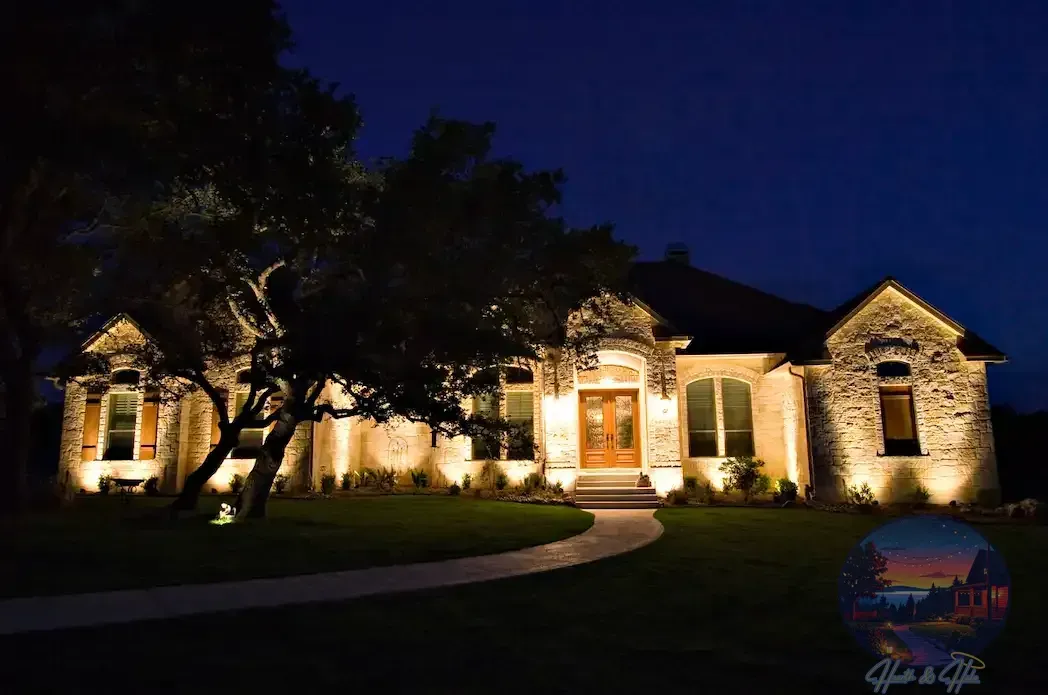
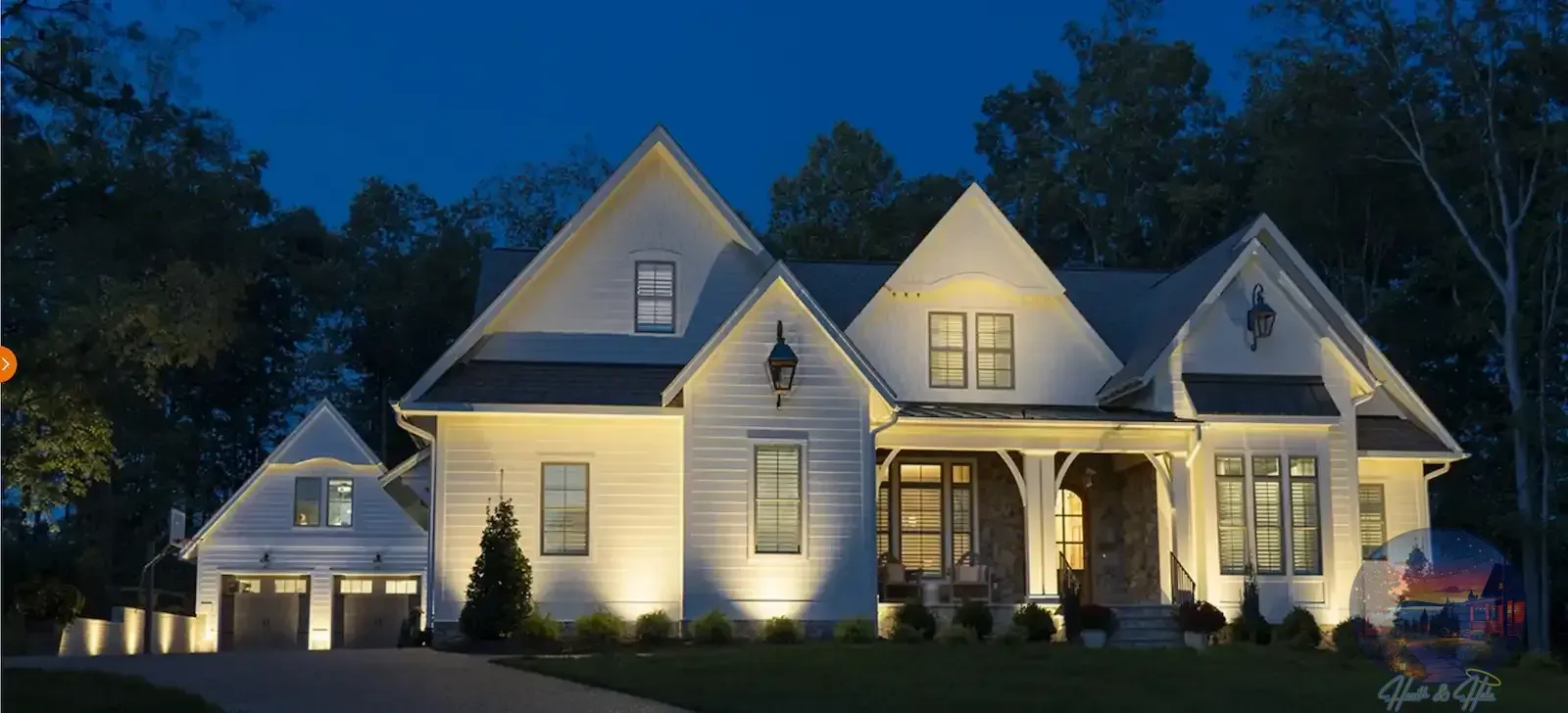
Across Western NY—especially in and around Buffalo, Niagara Falls, and Batavia—more homeowners are investing in professional landscape lighting for safety, curb appeal, and year‑round enjoyment.
The first question is usually:
-What does professional landscape lighting actually cost here—and why do quotes vary so much?
The answer is that there isn’t one flat number. Instead, cost is shaped by 7 main factors that we see over and over again across Erie, Niagara, and Genesee counties.
We also want to be clear up front: we do higher‑end, detail‑driven work. That means solid‑brass fixtures, properly engineered transformer sizing (often multiple transformers), fully spliced and sealed connections, and real trenching and routing—not “lay it on the mulch and hope.”
7 Factors That Change Landscape Lighting Cost in Western NY
1. Project Size and Scope
How much you’re lighting—and how thoroughly—drives cost more than anything else.
Examples:
- A modest front walk and entry
- Full front‑of‑house with paths, architectural highlights, and select trees
- Front and back yards, decks, and outdoor living areas on a larger property
More fixtures and more areas mean:
- More design work
- More wire and labor
- Larger and sometimes multiple transformers
Even with the same fixture type, a full‑property design around, say, Amherst or Pendleton will cost more than a simple front entry in town.
2. Fixture Quality: Solid Brass, LED, and RGBW Options
All of our fixtures are solid brass—chosen for durability and appearance in Western NY’s weather. This alone places our systems in a more premium category than plastic or lightweight aluminum kits.
Within that, choices affect price:
- Standard warm‑white LED fixtures
- Most cost‑effective long‑term
- Great for classic, elegant looks
- RGBW color‑changing fixtures
- Higher fixture and control cost
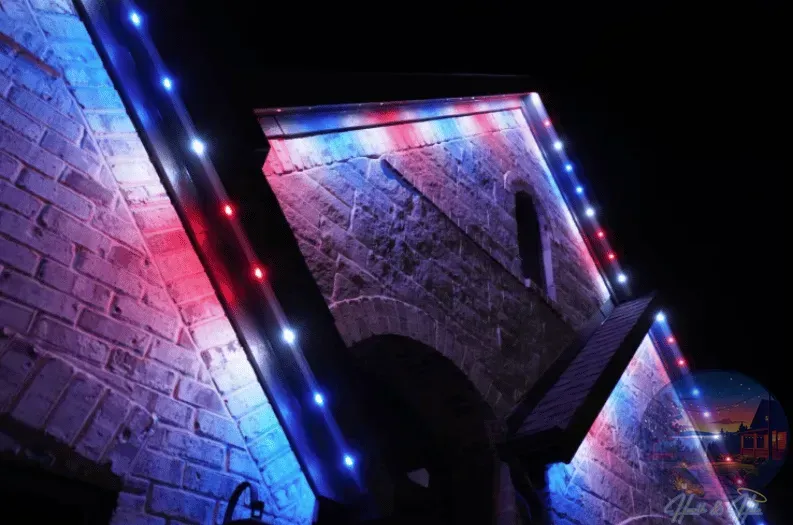
- Let you switch between warm white and colors for holidays, events, and seasons
- Often used selectively on key focal points or facades
Every fixture is built around efficient LED technology, not incandescent. That keeps long‑term operating cost down and supports the investment you’re making in the brass hardware and installation.
3. Transformer Sizing and Number of Transformers
Your system runs on low‑voltage transformers, and we size and place them based on:
- The total number of fixtures and their wattage
- How spread out your lighting zones are
- Future expansion plans (for example, front now, backyard later)
Key points:
- We calculate and select the proper transformer size instead of guessing.
- On larger or more complex properties, we may recommend multiple transformers to keep runs efficient, voltage balanced, and future add‑ons simple.
- Higher‑capacity or multiple transformers add to the upfront cost but are critical to a reliable, code‑aware system.
Transformer planning is one of the biggest “hidden” cost drivers that cheaper, cookie‑cutter installs often ignore—and one reason our systems cost more but perform better and last longer.
4. Wiring, Connections, and Terrain
We do wiring the right way, which is more labor‑intensive and raises cost compared to shortcut installs.
Every connection is:
- Spliced properly
- Joined with copper and crimped
- Protected with heat‑shrink wraps for moisture resistance and durability
And getting that wire where it needs to go often includes:
- Digging trenches to bury cable cleanly and protect it long‑term
- Routing under sidewalks, stone walls, and hardscape features
- Working with slopes, tight side yards, and existing plantings
Terrain matters:
- Flat, open beds are faster and less costly to work in.
- Heavier soils, established lawns, and hardscape obstacles take more time and care.
We also avoid in‑ground well lights, focusing instead on above‑grade fixtures that align with our durability and maintenance standards.
5. Height and Access: Second‑ and Third‑Story Lighting
Lighting upper stories or tall architectural features adds both visual impact and cost.
Why it cost more:
- Requires more precise aiming to avoid glare and light pollution
- Often needs taller ladders and additional safety measures during installation
- Sometimes calls for higher‑output fixtures or specific optics to reach second‑ or third‑story elements effectively
If your home in, for example, Williamsville or Niagara Falls has significant height, and you want that full “magazine cover” look at night, plan on a higher design and labor line item for those fixtures.
6. Control Options: Timers, Smart Systems, and Zones
Basic control:
- Simple photocell and/or timer
- Most budget‑friendly
Upgraded control options can include:
- Smart/app‑based control, sometimes integrated with other home systems
- Multiple zones (front yard, backyard, side yard, deck) that can be set on different schedules or dimming levels
- Scene creation for entertaining vs everyday use
Each layer adds:
- More hardware
- More setup and programming time
- More flexibility and long‑term enjoyment
If you live somewhere like Grand Island, Clarence, or just outside Batavia and want your lighting to “live” with how you actually use the property, investing in better controls is often worthwhile—and it does increase project cost.
7. Design Detail and Customization Level
We are not a “drop in some path lights and go” installer. Our work is design‑driven and customized to your home.
Simpler, lower‑cost designs:
- Focus on basic safety and visibility
- Typically cover front walk and entry with a few accent points
More detailed, higher‑cost designs:
- Layer path, facade, and focal lighting so your home looks balanced from the street and from inside
- Coordinate with existing or planned holiday or permanent lighting
- Fine‑tune fixture placement, angles, and beam spreads for a specific aesthetic
That kind of design and on‑site adjustment takes time from skilled installers and designers. It’s one of the main reasons our systems don’t look like generic kits—and why they sit at the higher end of the market.
Why Our Projects Cost More Than “Quick Kit” Installs
For homeowners in and around Buffalo, Niagara, and Batavia, our pricing reflects:
- Solid brass fixtures built to last in Western NY weather
- Properly sized and sometimes multiple transformers, engineered to match your system
- Fully spliced, crimped, and heat‑shrink‑sealed connections
- Real trenching, careful routing under sidewalks and stone walls, and clean restoration
- Thoughtful design for second- and third‑story elements where appropriate
- Option to use RGBW color selectively for flexible, high‑end looks
The result is a system that:
- Looks intentional and refined
- Performs reliably through winters and summers
- Is easier to expand or adjust later
- Protects your investment over the long term
Quick Homeowner Checklist
Before you get pricing for your Western NY home, ask yourself:
- Do I want premium, long‑lasting fixtures (solid brass, LED) or something temporary?
- Which areas matter most right now (entry, walkways, facade, backyard)?
- Am I interested in RGBW color on key features, or strictly warm white?
- Does my home have upper‑story or tall features I want to highlight?
- Do I care how wiring is buried, sealed, and routed under hardscape?
- Would a phased plan (front now, back later) help fit a higher‑quality system into my funds?
If you’re in Erie, Niagara, or Genesee County and you value durability, design, and meticulous installation over minimum cost, we can walk your property, review these 7 factors together, and give you a clear, tailored price range for a system that’s built to last.
Contact Us Today!
Contact Us
Check Out Our Other Outdoor Lighting Blogs!