Outdoor Lighting Code & Safety in Buffalo: What Homeowners Should Know
Low‑voltage and holiday lighting that looks magical, stay safe, and respect Buffalo’s rules
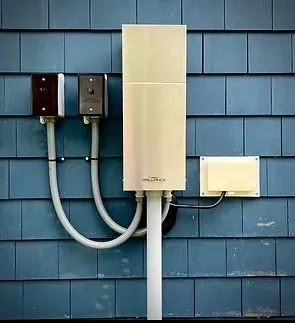
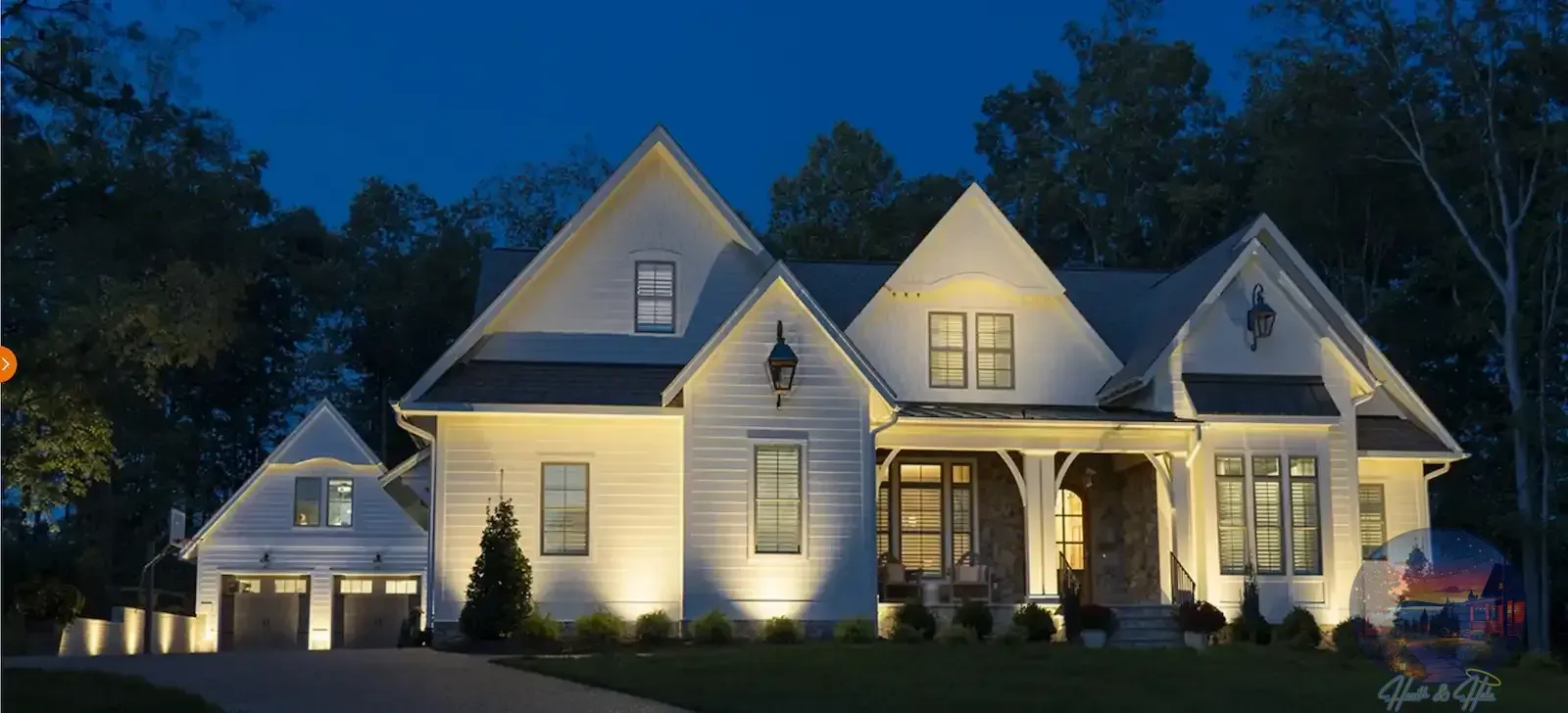
In Buffalo, outdoor lighting is more than a design choice. Low‑voltage landscape lighting shapes how safe your property feels after dark, and holiday lights turn your home into a seasonal landmark. But behind the glow, there’s a real question: is your system safely designed for the power it’s using?
For low‑voltage lighting, everything runs from a transformer. For holiday lighting, everything plugs into your outlets. That means your biggest safety risk with holiday decor isn’t voltage—it’s overloading outlets with too many watts across your roofline, mini lights, pathway runs, and other decor. Add Buffalo’s older housing stock and winter weather, and the margin for error gets thin fast.
We’ve seen simple “just one more strand” decisions lead to tripped GFCIs, overheating, or inspection concerns. To keep things calm, we use our SAFE Lighting Framework: Standards, Assessment, Fixtures, Experience. It gives you a clear way to think about risk and design, while we handle the technical details and code‑aware planning for both low‑voltage and holiday lighting.
At Hearth and Halo, we help you get the curb appeal and holiday magic you want—without turning your outlets or transformer into a guessing game.
Key Takeaways
- You’ll learn our SAFE Lighting Framework so you can see low‑voltage and holiday lighting through four lenses: Standards, Assessment, Fixtures, Experience.
- We’ll unpack why only your landscape lighting should be on a transformer, and why every holiday element (roofline, minis, pathway decor) must be sized to the outlet’s safe wattage.
- You’ll see how we prevent outlet overloads, transformer stress, and nuisance trips while still delivering the look you want.
- You’ll understand the main strategy options—from a safety‑first foundation to integrated landscape + holiday design—and who each fits best.
- You’ll walk away with a simple checklist you can review with us before your next lighting upgrade or holiday season.
What You’ll Learn
- How outdoor lighting code & safety in Buffalo applies differently to low‑voltage transformers and plug‑in holiday lighting.
- Why watts, outlet capacity, and total footage of roofline and pathway decor should drive how your holiday display is planned.
- The trade‑offs between a basic safety‑first layout, a more dramatic architectural + holiday plan, and a phased approach.
- The most common risks we see: overloaded outlets, stressed transformers, and “stacked” holiday decor on one circuit.
- How our SAFE Lighting Framework ties your visual goals to long‑term safety, reliability, and neighborhood fit.
- Why a professionally designed system can reduce stress every winter instead of adding to it.
Main Content
Big Picture
In Buffalo, outdoor lighting code & safety for homeowners boils down to two very different systems working side by side:
- Low‑voltage landscape lighting: powered from a transformer that steps down voltage and distributes power to path lights, uplights, and other permanent landscape fixtures.
- Holiday lighting and decor: powered directly from your outlets, often all in the same season, across rooflines, mini lights, pathway holiday lighting, and other decorations.
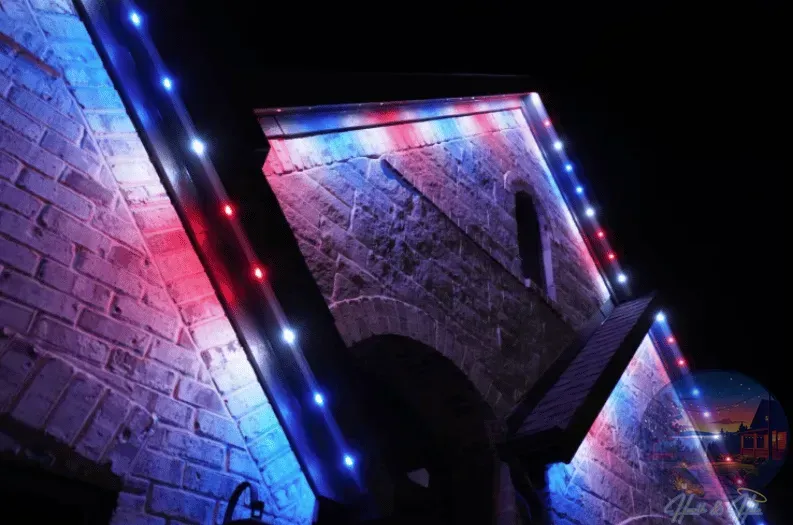
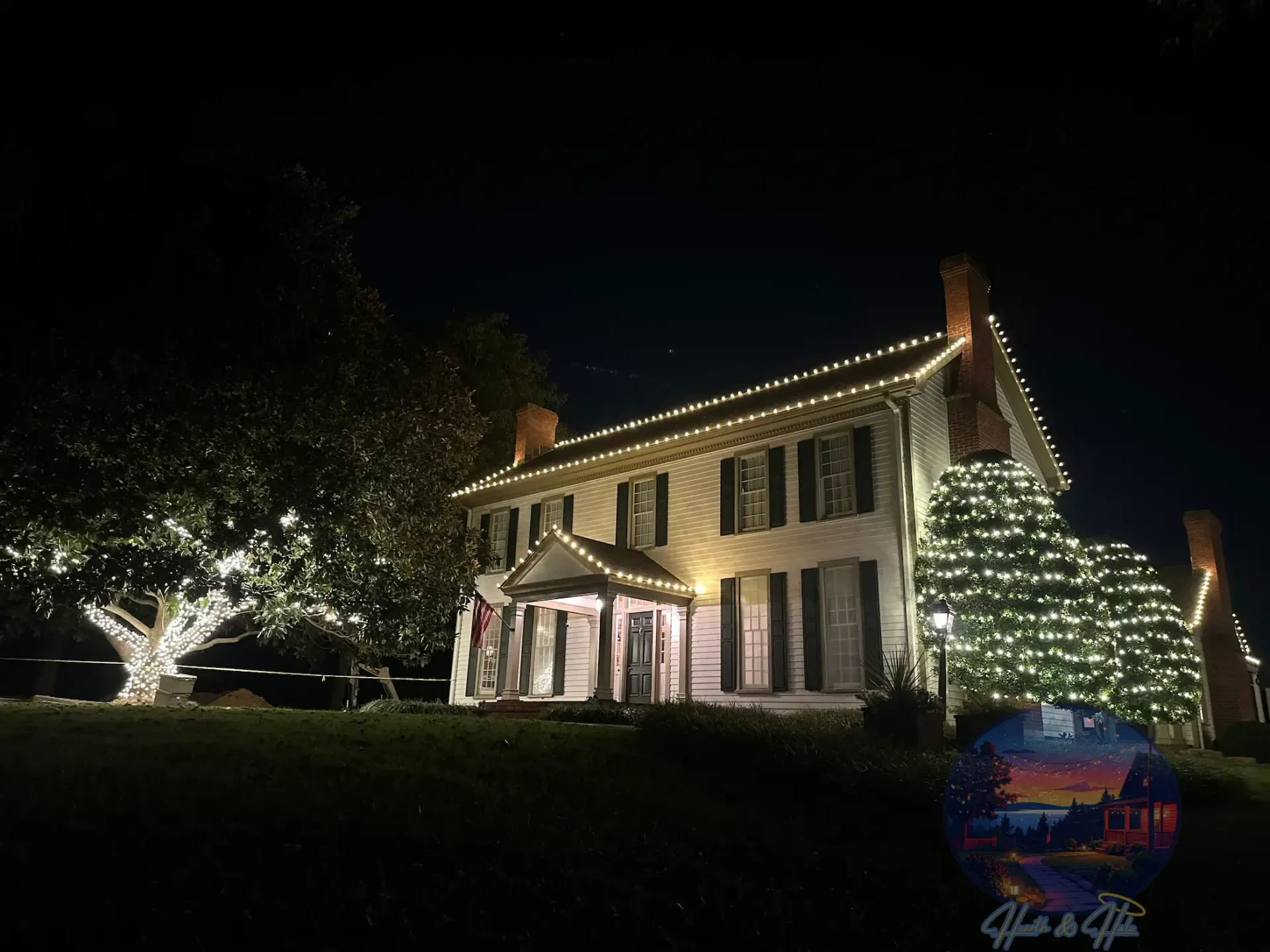
Low‑voltage lighting is designed to be permanent and predictable. The transformer, wiring, and fixtures are sized and installed as a system. Holiday lighting, on the other hand, is “temporary” but often more demanding—especially when you line long rooflines, wrap trees, and add pathway decor, all pulling watts from a limited number of outlets.
We recently met a Buffalo homeowner who loved going big for the holidays. Their low‑voltage path and landscape lights ran from a transformer and worked flawlessly. But every December, as they added roofline strands, yard pieces, and pathway holiday lights, the same exterior outlet fed nearly everything. By the time they factored in the total wattage, they were well beyond what that outlet and circuit should have been carrying. We redesigned the holiday setup, redistributed loads, and matched the length of roofline and pathways to what the outlets could safely handle. The display looked better, the system stayed stable, and they stopped worrying about what might be getting too hot behind the scenes.
Patterns like this are common. The permanent low‑voltage system behaves; the temporary holiday load quietly pushes outlets and circuits past safe limits. Our job is to bring both under one clear, safe plan.
Key Decision Factors You Should Weigh
When you think about outdoor lighting in Buffalo, treat low‑voltage and holiday lighting as a single safety story with two chapters. Here are the factors we walk through with you.
- Transformer Sizing for Low‑Voltage Lighting
Your landscape lighting lives or dies by the transformer. It needs to be sized for the total wattage of all low‑voltage fixtures, with room for future growth. Undersizing or maxing it out shortens component life and can lead to dimming and nuisance issues. We engineer transformer capacity to match the system, not just today’s fixtures. - Outlet Capacity and Holiday Wattage
Holiday lighting is all about watts. Roofline strands, mini lights in shrubs, pathway holiday lighting, and decor pieces each add to the load on that outlet and its circuit. If you don’t plan around wattage and maximum safe loads per outlet, you risk overloading, overheating, and repeated trips. We map your roofline footage and decor plans back to outlet limits instead of guessing. - Circuit Distribution for Seasonal Loads
It’s not just how much you plug into one outlet—it’s what else is on that circuit. Garage door openers, exterior receptacles, and other loads can share the same breaker. Piling all your holiday decor onto one outlet on that circuit compresses the safety margin further. We design displays that distribute load across circuits whenever possible. - Winter Use and Safety Priorities
In Buffalo, steps, walkways, and driveways need reliable light when it’s dark and icy. That’s typically where low‑voltage path and entry lighting come in. If holiday decor compromises outlet access or reliability for these systems, you’re trading safety for sparkle. We keep winter walkability and clear sightlines at the center of design decisions. - Fixture and Product Quality
Not all lights draw power the same way. Cheap, inefficient holiday strands and low‑quality fixtures can pull more watts and fail sooner under Buffalo weather. We prioritize professional‑grade, outdoor‑rated products that do more with less wattage and hold up to freeze‑thaw cycles. - Growth Plans for Future Seasons
Most homeowners add more holiday elements over time. If we don’t plan for that, this year’s safe setup becomes next year’s overloaded system. We design with your likely “future self” in mind, building headroom into transformers, circuits, and outlet planning.
| Approach / Strategy | Best For | Key Advantages | Main Trade-offs / Risks |
|---|---|---|---|
| Safety‑First Low‑Voltage Foundation | Homeowners prioritizing year‑round path, entry, and security lighting | Strong everyday safety; transformer sized correctly; simple to maintain | Holiday display remains smaller unless we add more outlet capacity |
| Integrated Landscape + Holiday Plan | Homeowners wanting cohesive year‑round beauty and a strong holiday look | Landscape and holiday loads planned together by wattage and outlets | Higher upfront design effort; may involve outlet upgrades |
| Phased Lighting & Holiday Expansion Plan | Homeowners improving lighting and decor over several seasons | Spreads investment; each phase respects transformer and outlet limits | Benefits arrive gradually; requires sticking to the plan |
| Holiday‑Focused Enhancement on Top of Basics | Homeowners with existing low‑voltage lighting who want a bigger holiday display | Uses current transformer for landscape; carefully engineered outlet loads for decor | Risk of overload if holiday additions ignore original wattage plan |
This is paragraph text. Click it or hit the Manage Text button to change the font, color, size, format, and more. To set up site-wide paragraph and title styles, go to Site Theme.
Contact Us Today!
Contact Us
Check Out Our Other Outdoor Lighting Blogs!